7
Trail and beach
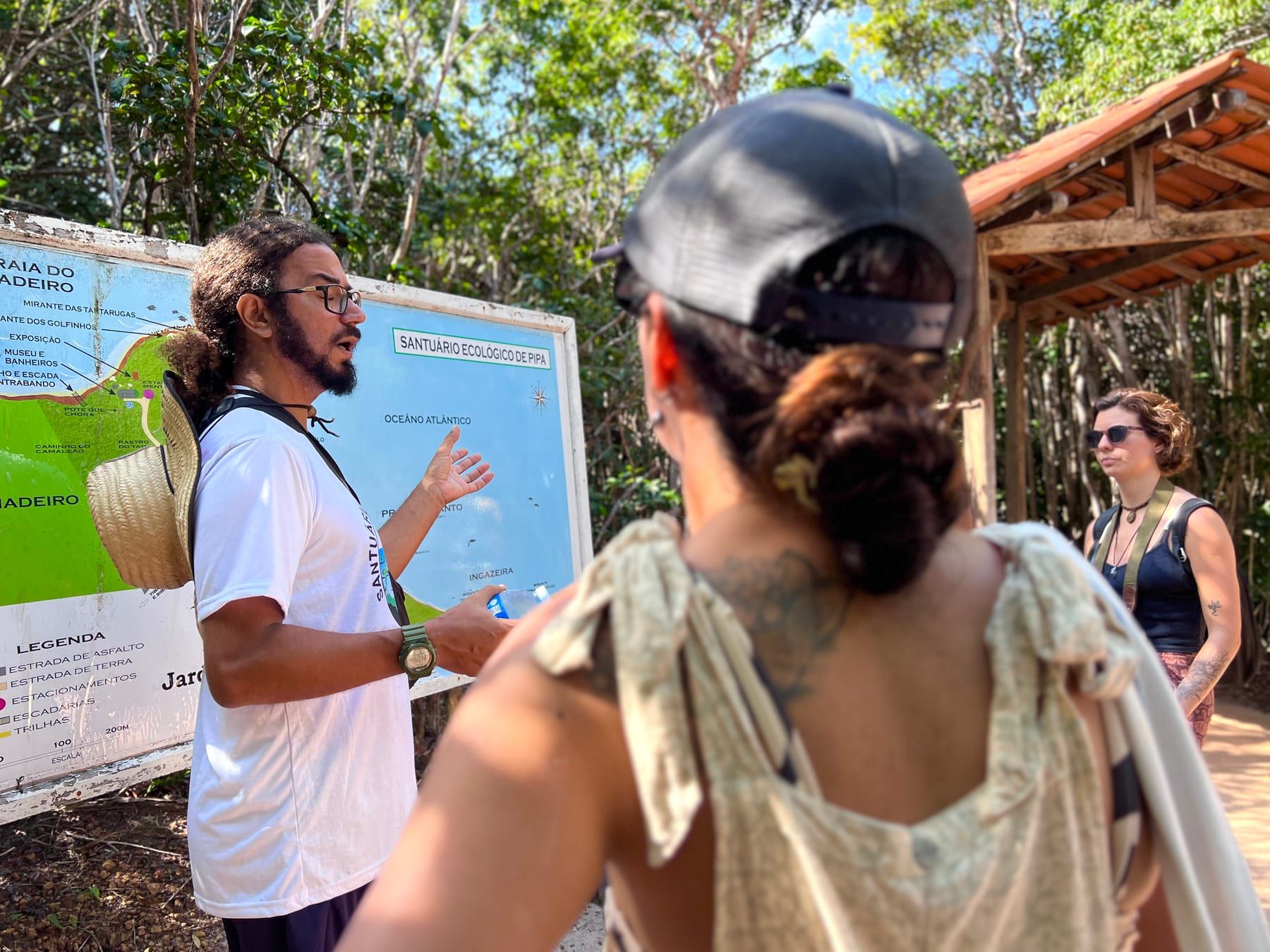
Pipa Ecological Sanctuary with a Local Biologist
The same trail means something else when the person beside you can read the forest.
- Duration Approximately 2 hours
- Languages English, Spanish and Portuguese
- Team over 32 years of experience in Pipa Beach
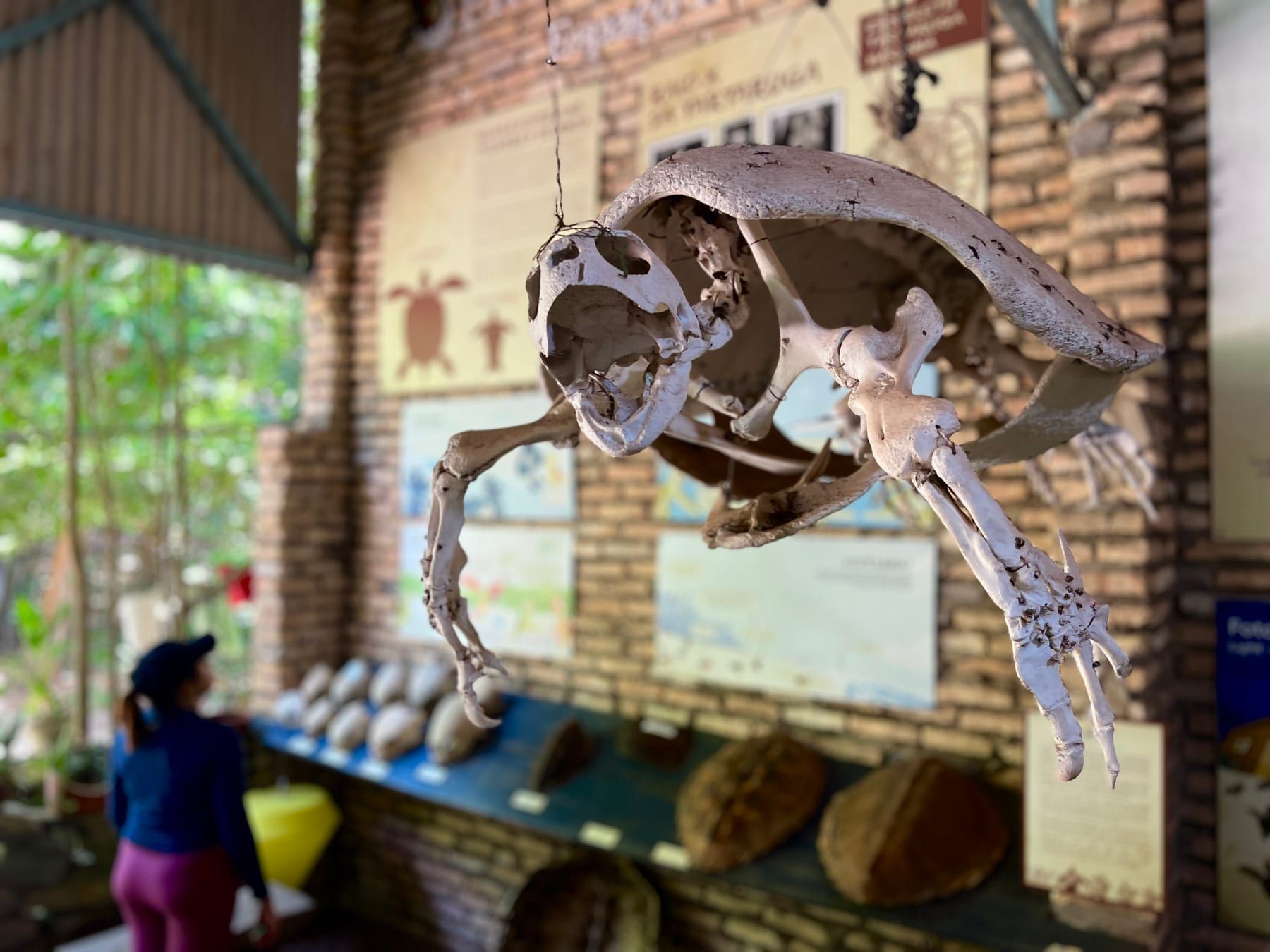
You can walk through the Pipa Ecological Sanctuary and leave with nice photos. You can also leave understanding what lives in that forest, how it survives on top of the cliffs, and why this piece of Atlantic Forest matters so much to Pipa. The difference between those two visits is usually who walks beside you.
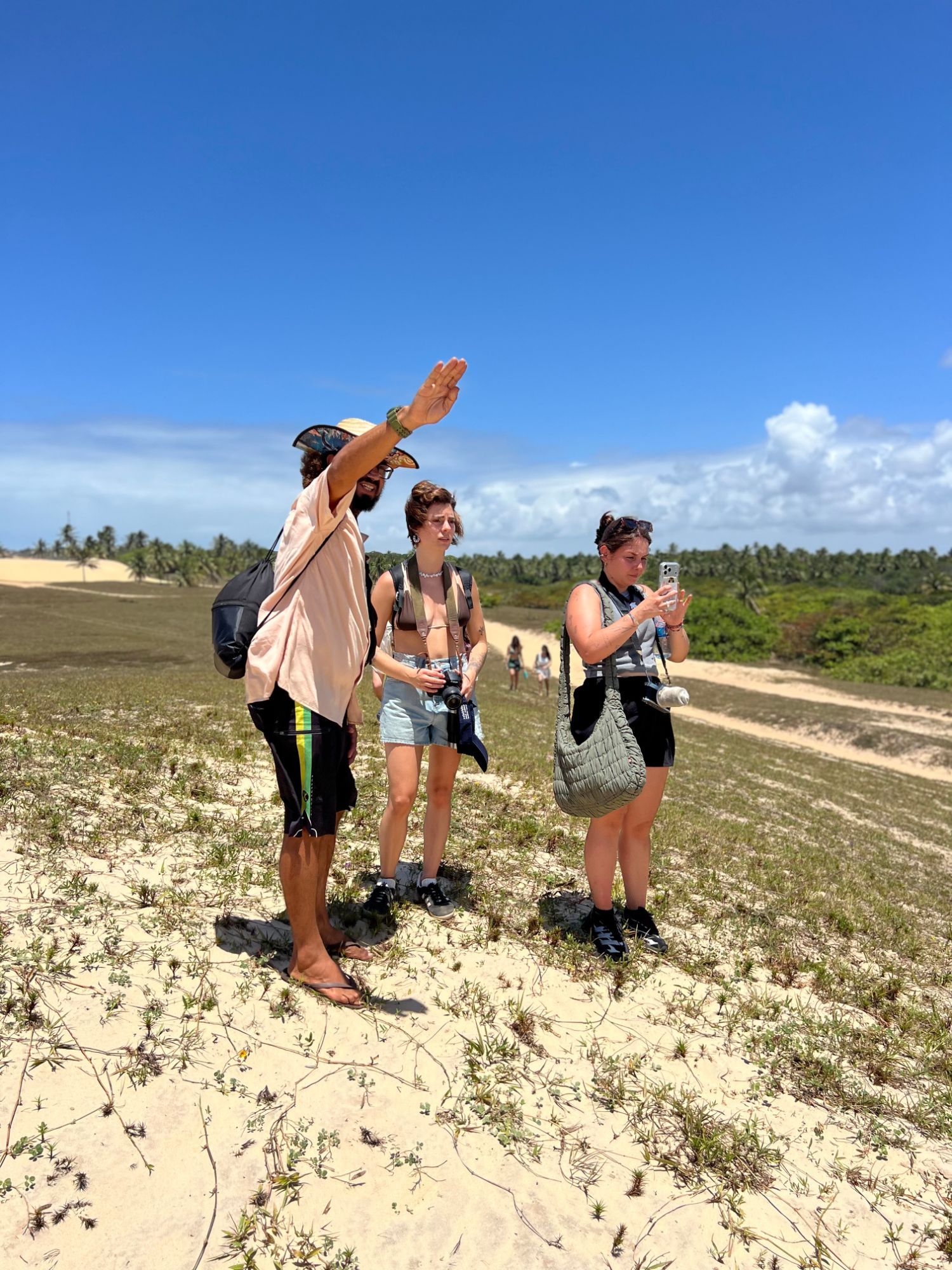
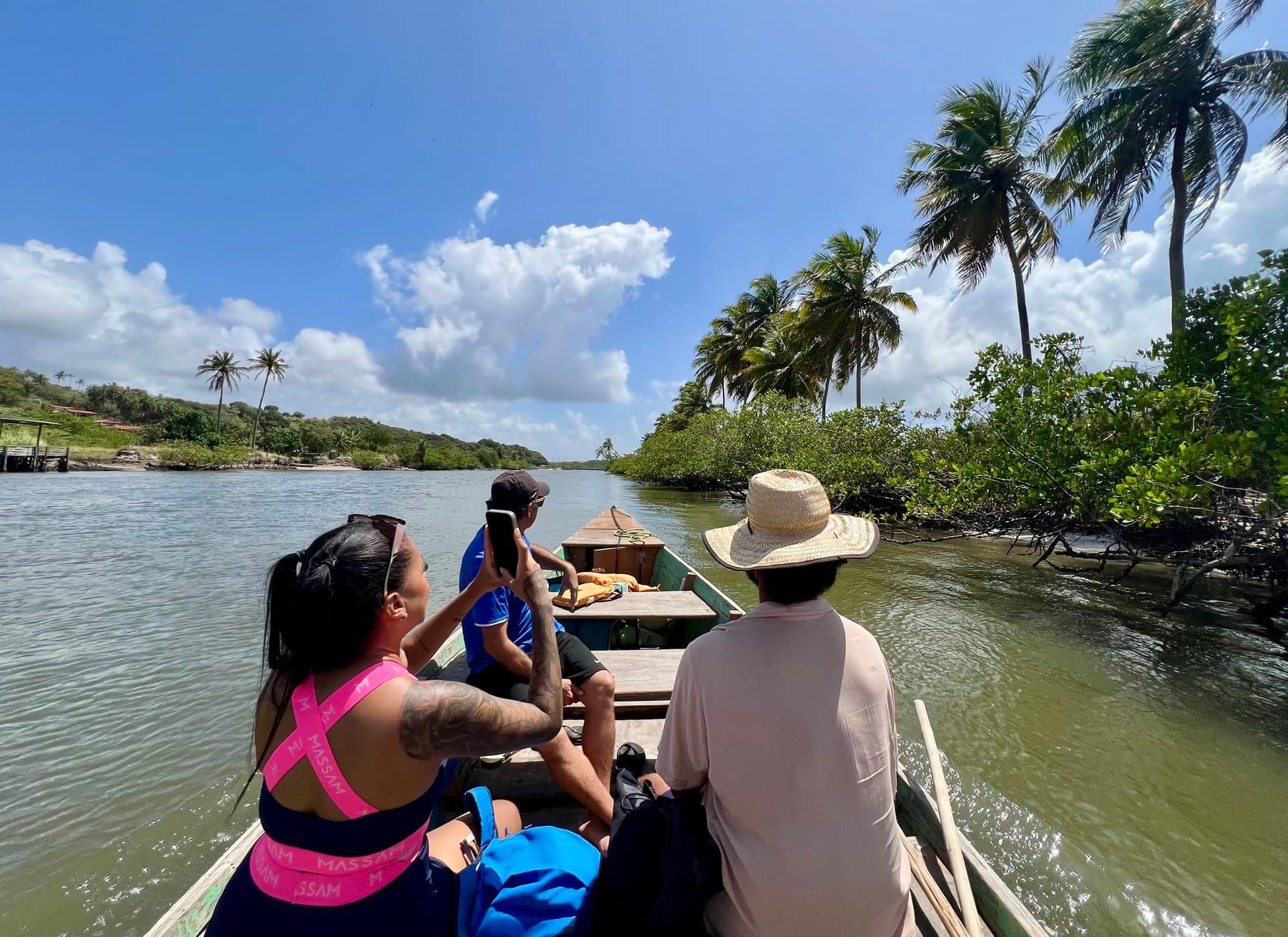
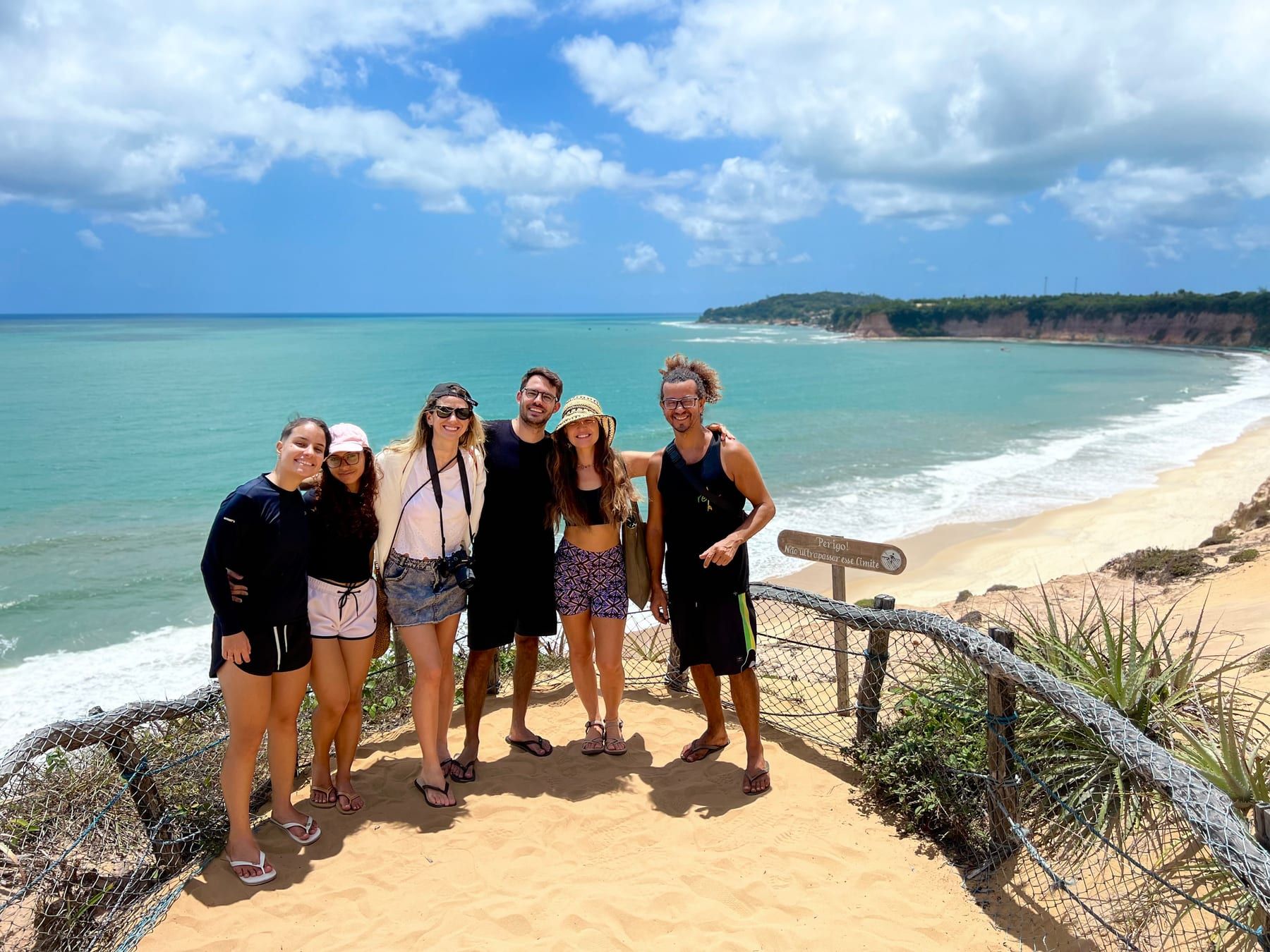
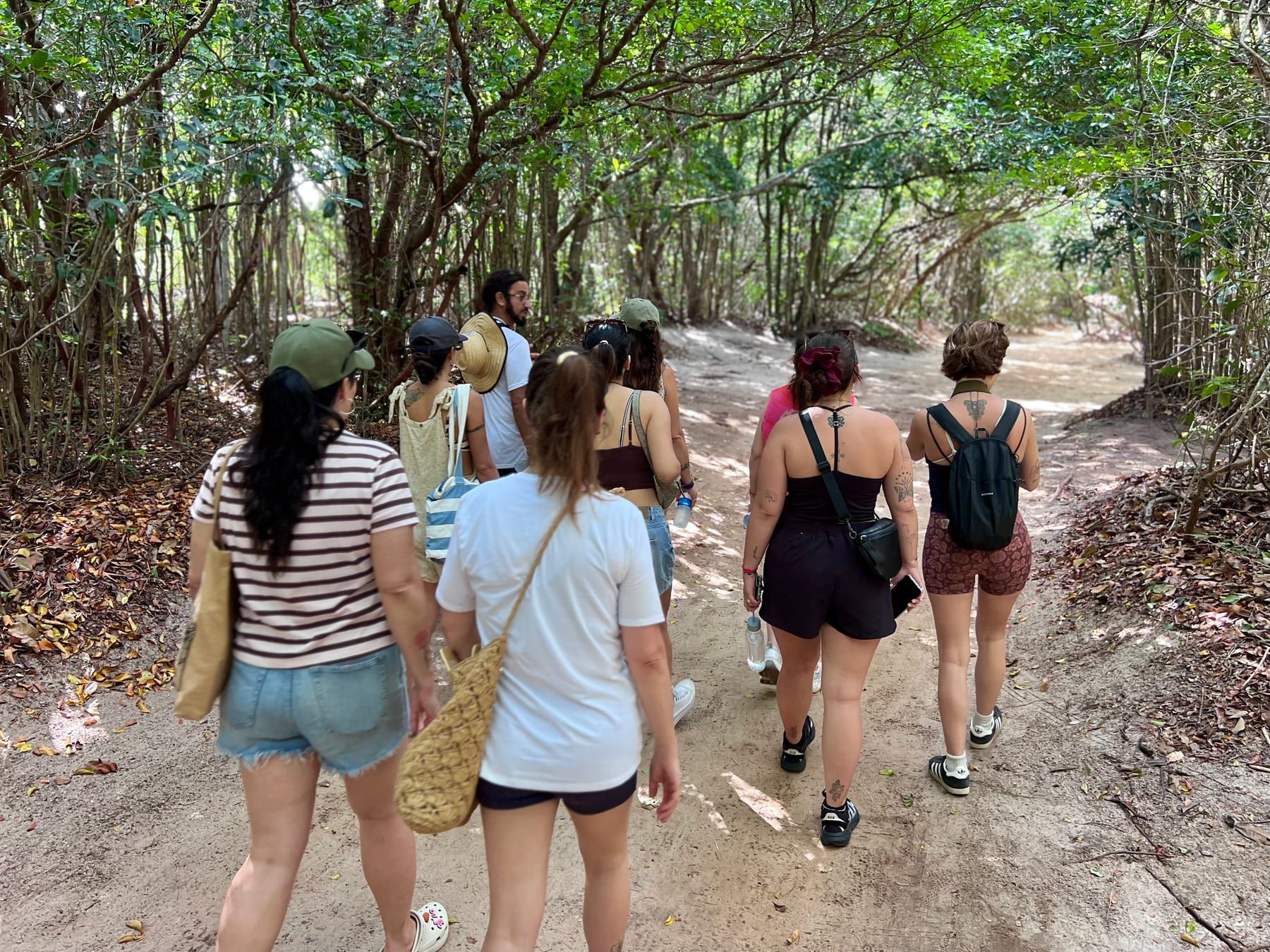
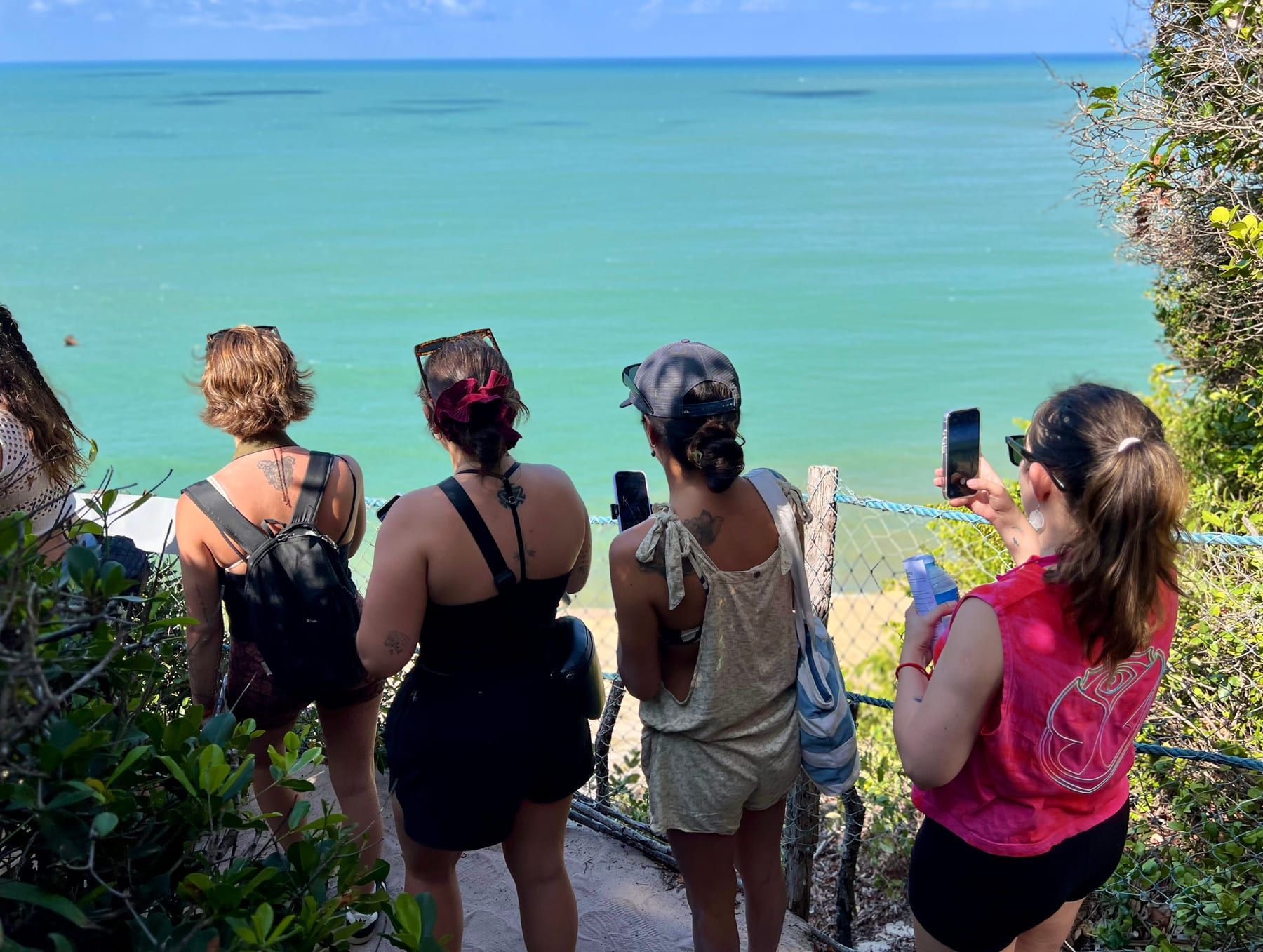
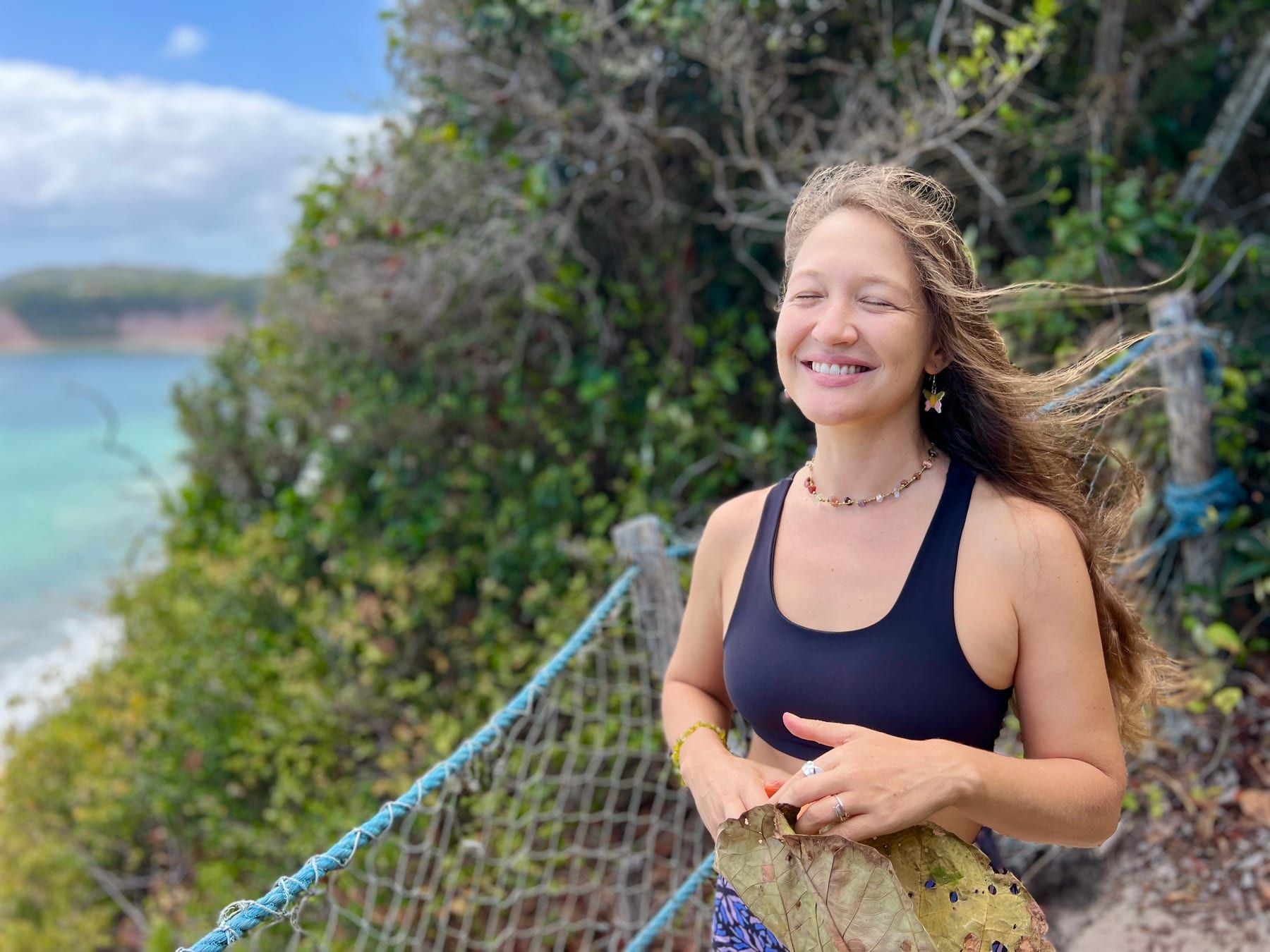
The walk follows well-built trails, mostly in the shade and at a comfortable pace, led by a local biologist. Stops happen at the lookouts over Dolphin Bay and Madeiro Beach, with time to watch the sea from above and notice the wildlife and plants.
At the end, your feet reach the sand at Madeiro. People who enjoy an unhurried morning tend to finish this tour feeling they got to know Pipa from the inside, rather than just passing through.
What you experience
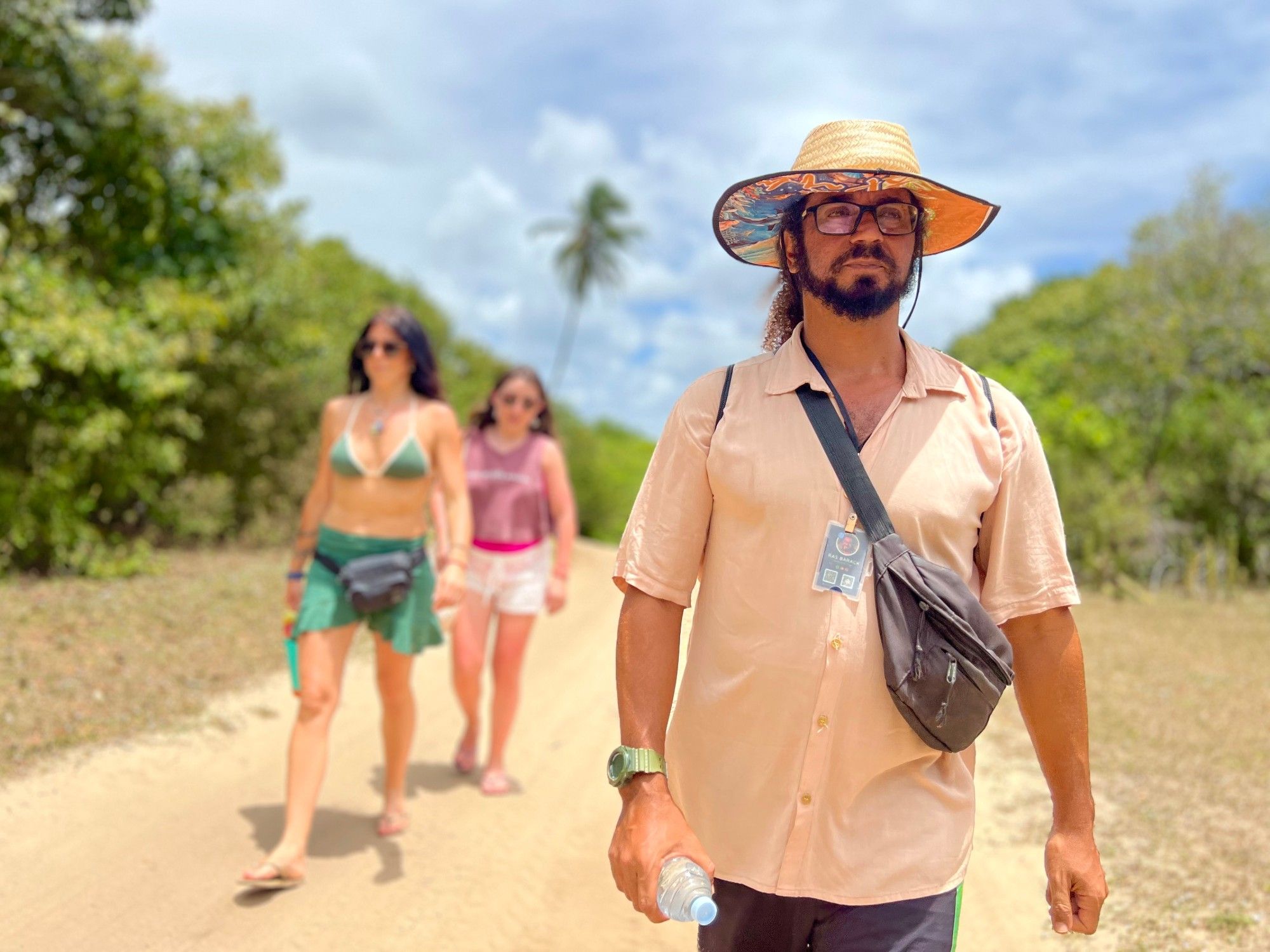
- Meet Ras Barack, local biologist in Pipa
- A walk through Atlantic Forest
- Wildlife and plant watching
- Panoramic lookouts over Dolphin Bay and Madeiro Beach
What’s included
- Sanctuary entrance ticket
- Led by a local biologist
- Walk along the Sanctuary’s well-built trails
- Stops at the lookouts
- Time at Madeiro Beach
Animals you can meet on the trail
Species commonly seen in the Atlantic Forest of the Pipa Ecological Sanctuary. These are wild animals: what shows up changes on every walk, and none is guaranteed.
Mammals and reptiles
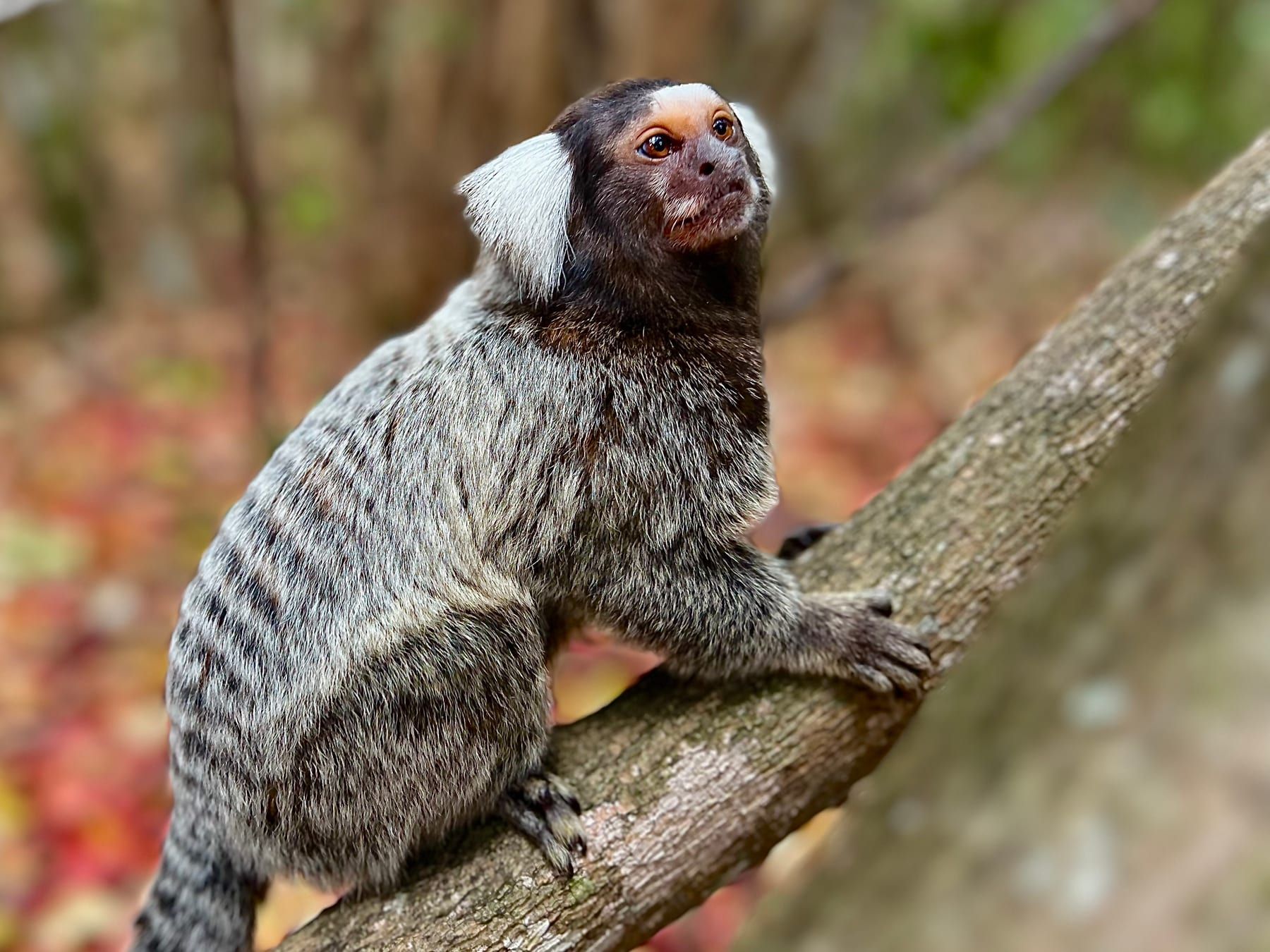
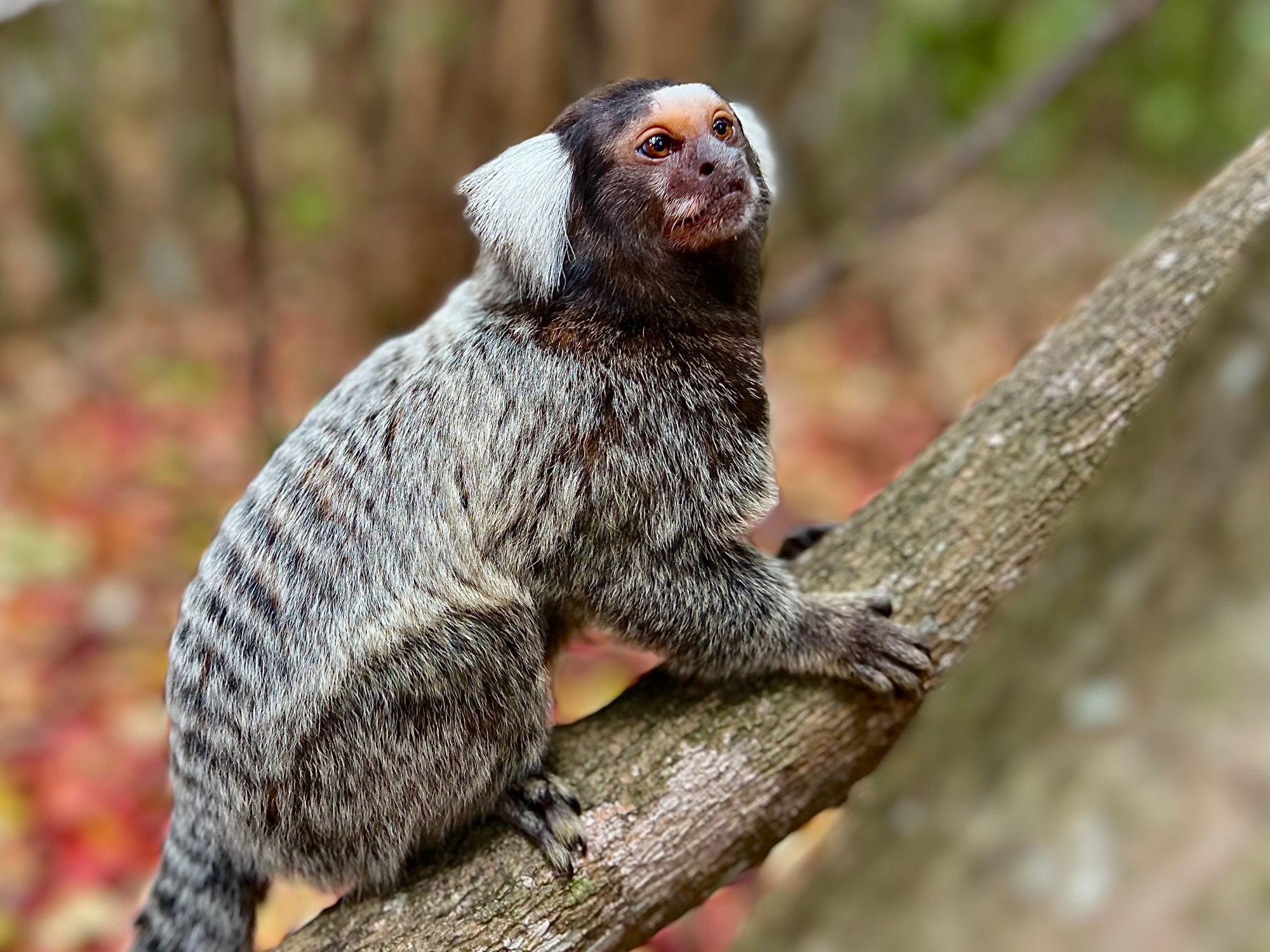 Common marmosetSagui Callithrix jacchusThe trail’s friendliest resident, often seen among the trees
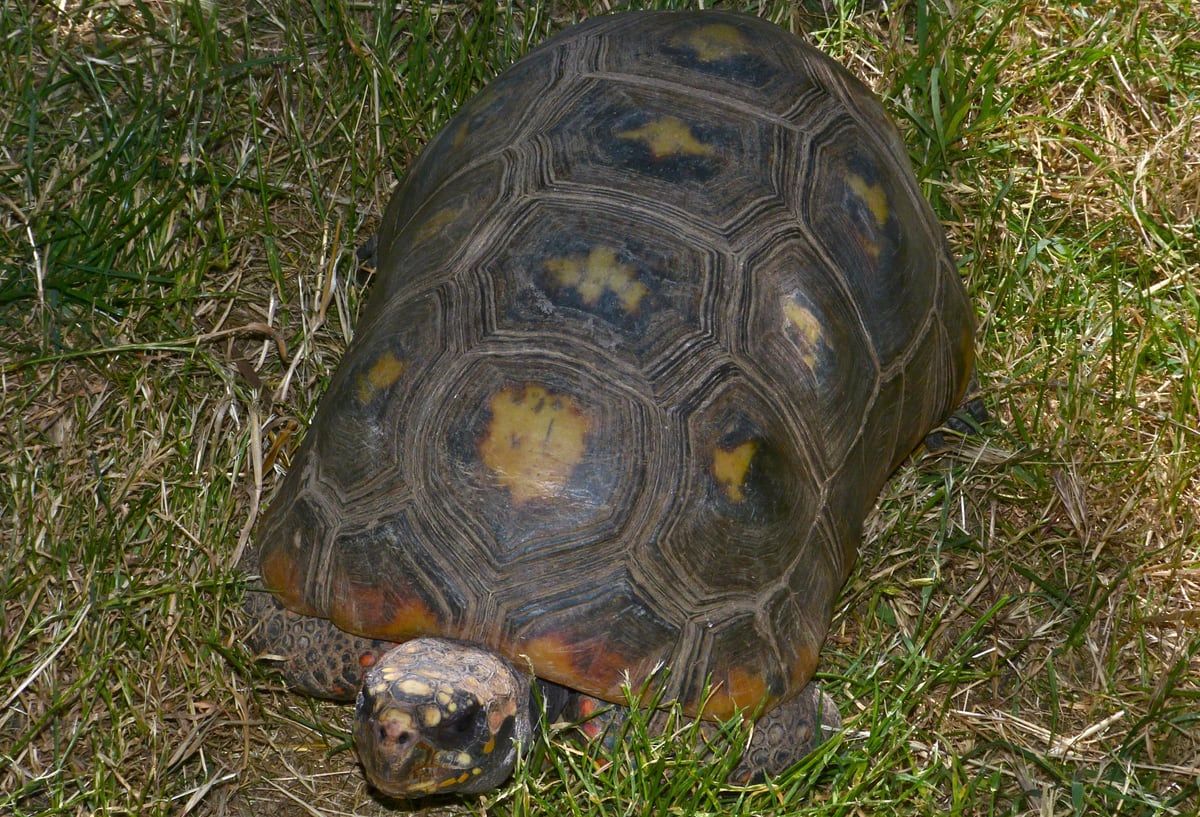 Red-footed tortoiseJabuti-piranga Chelonoidis carbonariaNative Atlantic Forest tortoise, slow-moving with a dark shell
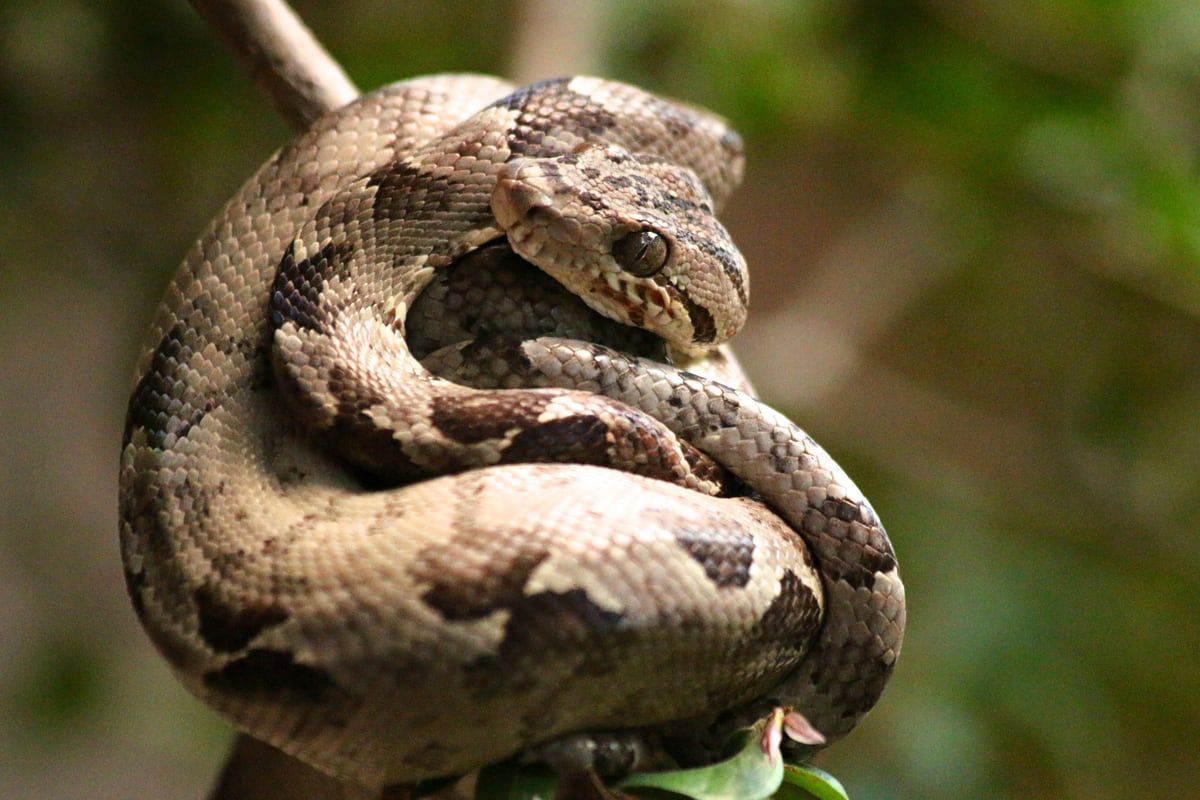 Boa constrictorJiboia Boa constrictorA non-venomous snake, often coiled on a branch
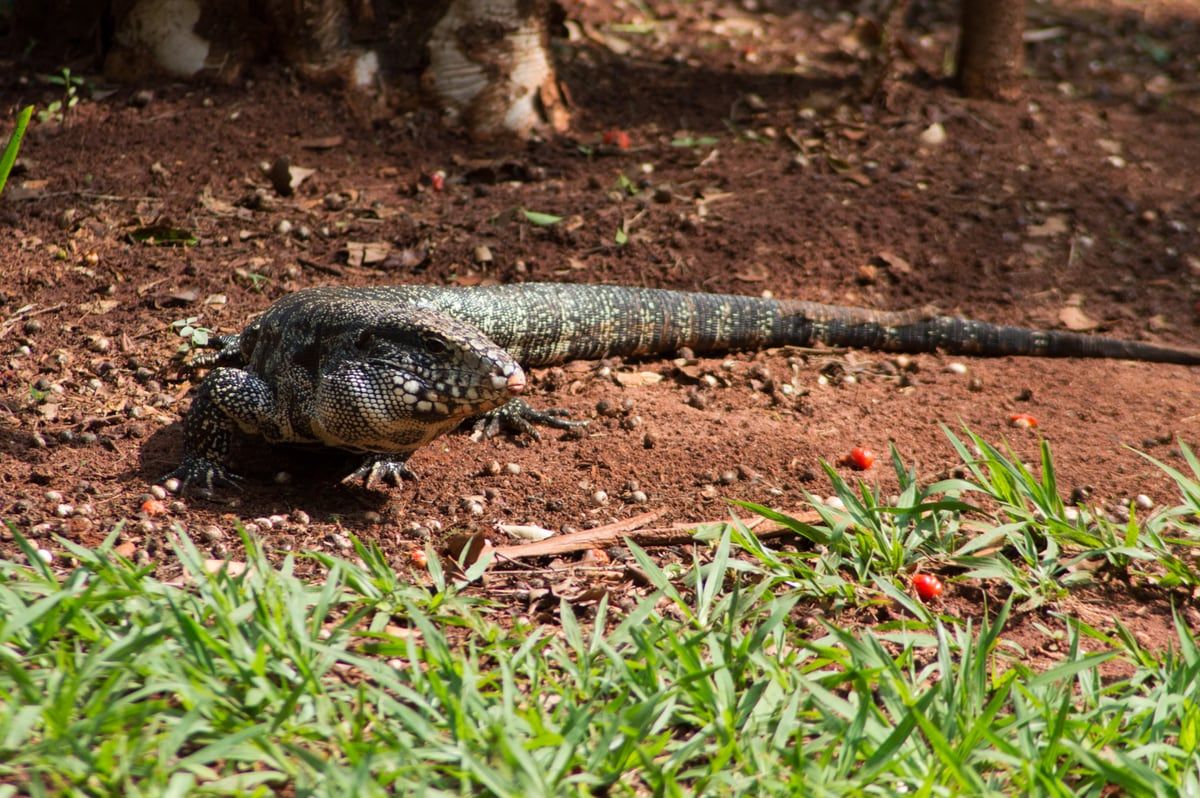 Gold teguTeiú Salvator merianaeA large lizard common on the forest floor
Birds
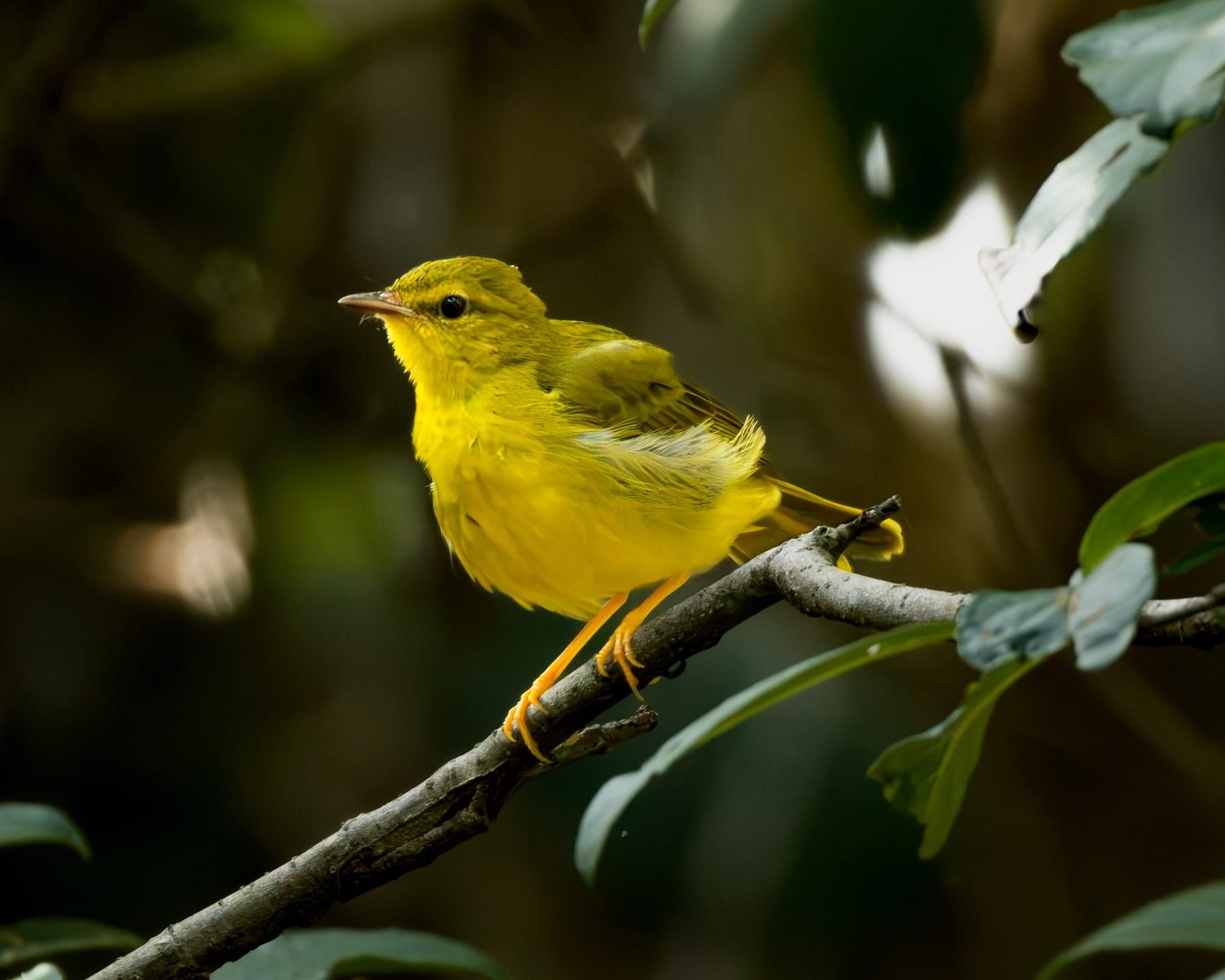
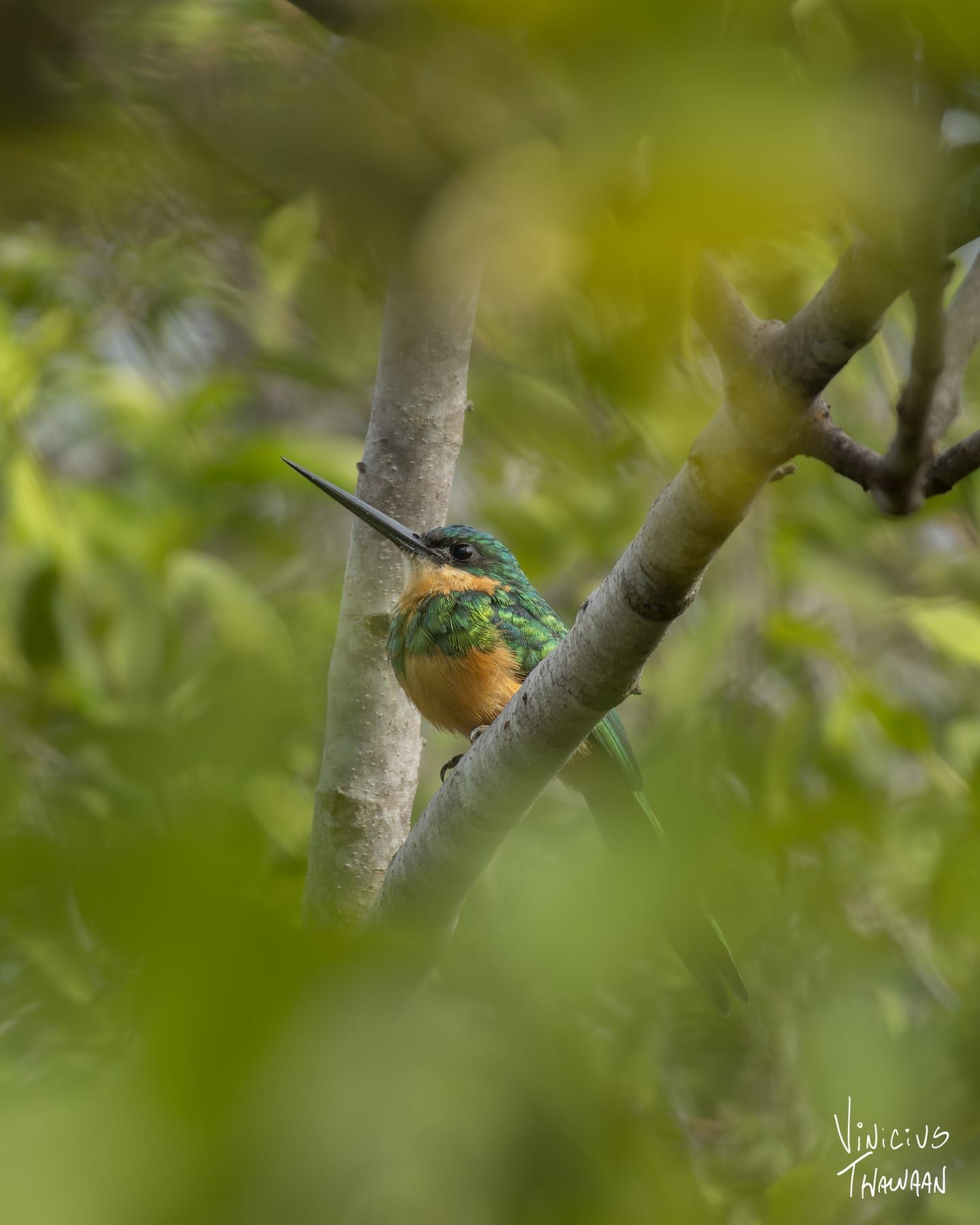 Rufous-tailed JacamarAriramba-de-cauda-ruiva Galbula ruficaudaMetallic green with a needle-thin bill, hawks insects in flight
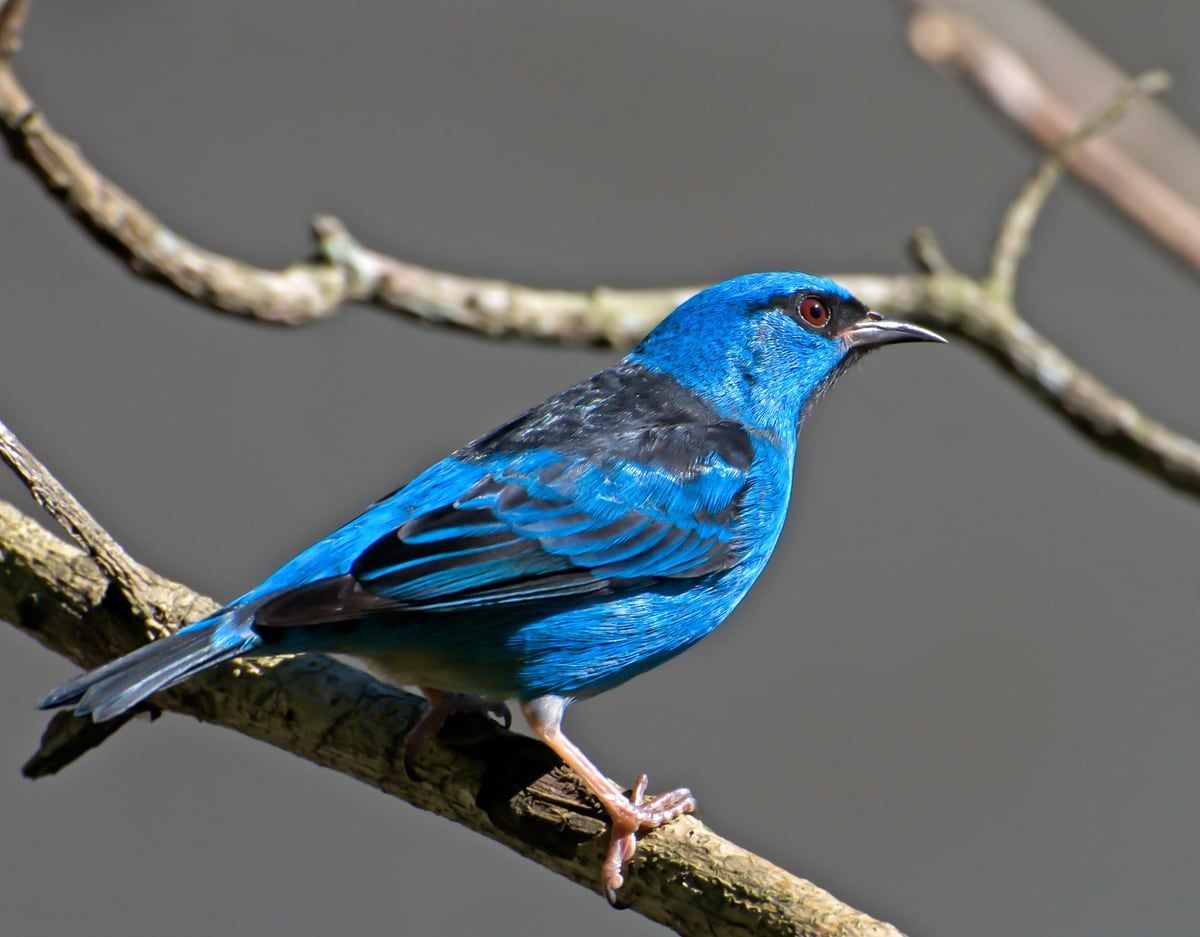 Blue DacnisSaíra-azul Dacnis cayanaThe turquoise-blue male with a black mask, up in the treetops
What birders and wildlife watchers usually look for
- Birds and mammals are most active early in the morning, at the 7 am and 9 am slots.
- Slow steps and silence help you see more animals on the trail.
- The boa and the tegu tend to stay close to the ground and tree trunks: just watch, without getting close.
Good to know
- Every day except Friday, at 7, 9, 1 or 3 pm
- Mostly shaded trail, at a comfortable pace
Who it suits
Travelers who want to understand the place they are visiting: nature lovers, couples, families and anyone curious about conservation and the Atlantic Forest.
Guests on Google
5.0 · 10 reviews
“A fantastic experience. A little-explored paradise, well worth living this experience in the middle of nature. Ras Barack is an excellent professional.”
Renann Galvão Review on Google · Review translated. “A sensational, one-of-a-kind experience. I felt completely safe as a woman traveling alone. Wonderful knowledge. Loved it! I will always come back.”
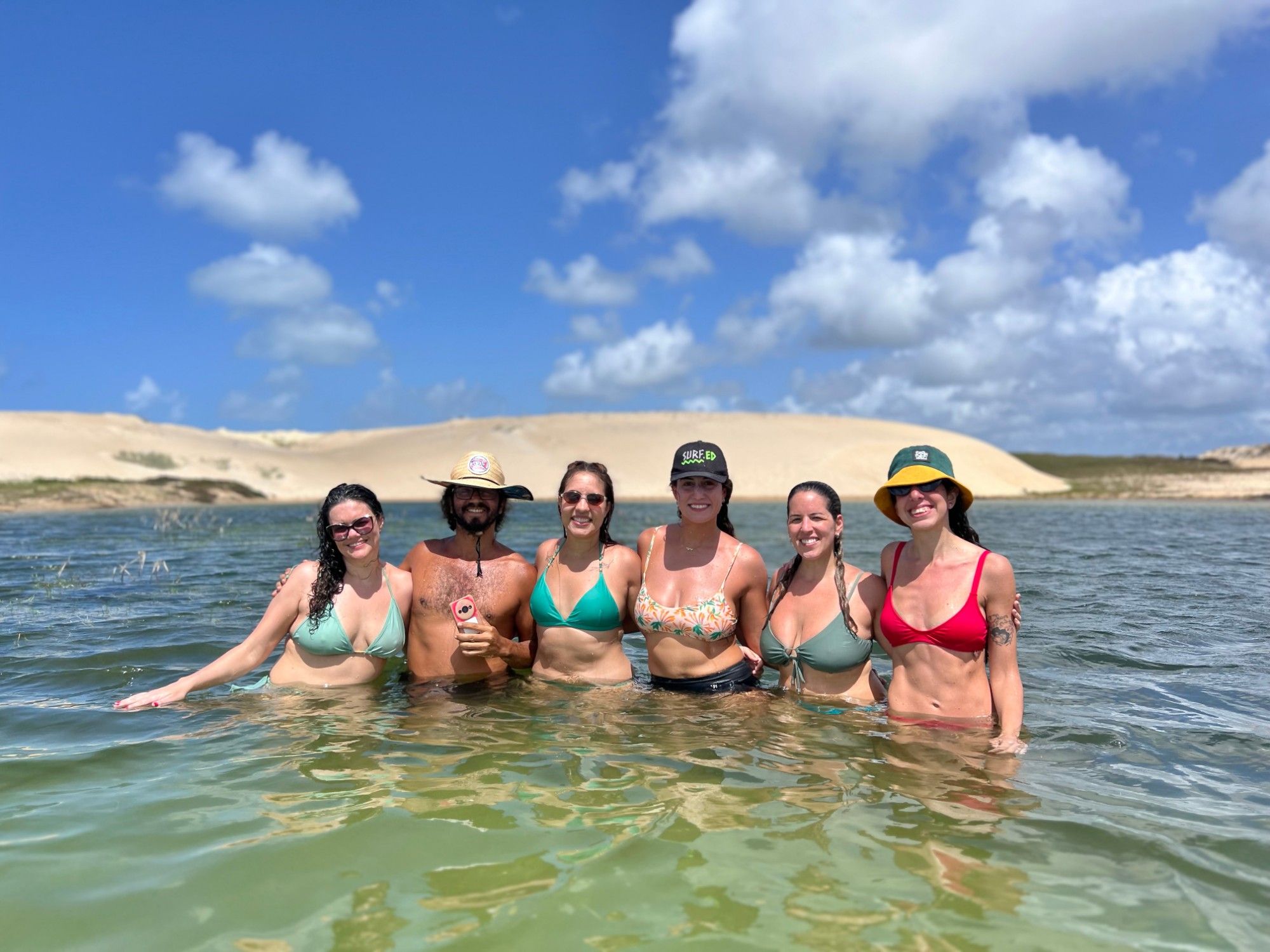
Rafaela Amaral Review on Google · Review translated. “A wonderful tour! Lots of landscapes and a wonderful dip in the lagoon!”
Mariana Serrano Review on Google · Review translated. “The best team we could have in Pipa! Conscious, deep and grounded tourism, in the experience of being in this abundant nature.”
Milena Borges Review on Google · Review translated.
Your booking
- Cancellation up to 24h
- Secure site
- Registered with Cadastur
- Confirmed by a person